Real Estate Digital Marketing Case Study: Premier Choice International
From 2019 to September 2023, I supported Premier Choice International across WordPress development, website management, SEO, Meta Ads, real estate lead generation, and ongoing digital marketing.
The work developed over several years, connecting the company website, property content, organic visibility, advertising campaigns, and day-to-day marketing requirements.
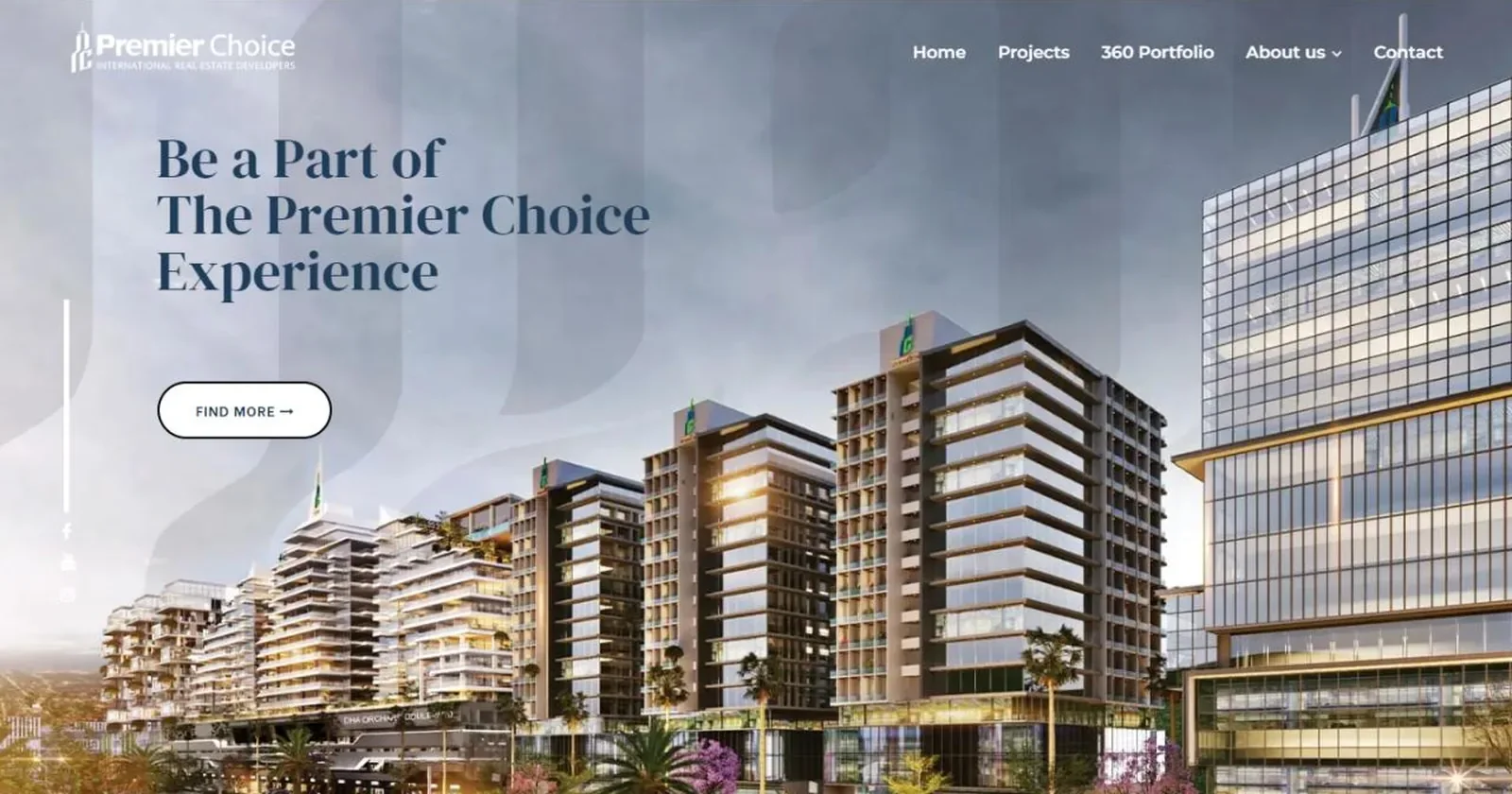
A multi-year digital marketing relationship.
Five calendar years on one account. The phases below describe how the work changed shape over that period rather than assigning specific milestones to specific months, because the engagement record confirms the span and the scope, not a dated project log.
The WordPress website built, structured around projects and enquiries rather than as a brochure.
SEO work and website support running together, with the site treated as something to keep improving.
Property and project content maintained as the portfolio and priorities moved.
Meta Ads and lead generation running alongside the organic and website work.
Management continuing through September, when the engagement closed.
2019202020212022Sep 2023
The bars above show which services ran across which part of the engagement, and each one is labelled in words as well as position
Supporting the website, search presence, and property campaigns together.
Real estate marketing changes as projects, listings, campaigns, locations, and business priorities change.
The engagement required a website that could be maintained over time, SEO work that supported discovery, and Meta Ads that could support active property campaigns and enquiries.
What had to stay connected
- 01Property information
- 02Website
- 03Search
- 04Meta Ads
- 05Enquiry
- 06Sales follow-up
A real estate website cannot remain static while the business keeps changing.
These are the recurring requirements a retained engagement absorbs. They are stated as ongoing needs rather than as documented faults, because a running account produces work by existing rather than by breaking.
Portfolio 01
- New projects
- Updated property information
- Changing availability
- New landing pages
Campaigns 02
- New campaign priorities
- Campaign creative
- Lead generation
- Forms and enquiry routes
Discovery 03
- Search visibility
- Content updates
- Page-level optimization
- Internal links
Condition 04
- Technical maintenance
- Website reliability
- Mobile usability
- Broken links and forms
Consistency 05
- Project names across channels
- Visual identity
- Calls to action
- Contact information
Continuity 06
- Decisions carried forward
- Historical context
- No rebuilding from zero
- One party accountable
The project required continuity. Website, SEO, advertising, and property content needed to remain aligned over several years.
A WordPress foundation that could support ongoing real estate marketing.
WordPress was the right choice precisely because the site was never going to stand still. A property business needs to add a project, change an availability line or publish an update without booking a developer to do it.
What the build had to carry
- WordPress website development
- Responsive layouts across desktop and mobile
- A homepage structured around the project portfolio
- Property and project pages
- Contact forms and enquiry actions
- Navigation that reaches the projects in one step
- Content management the business could use directly
- Technical maintenance and ongoing updates
- SEO foundations built into the templates
The build side is described on the real estate website development page
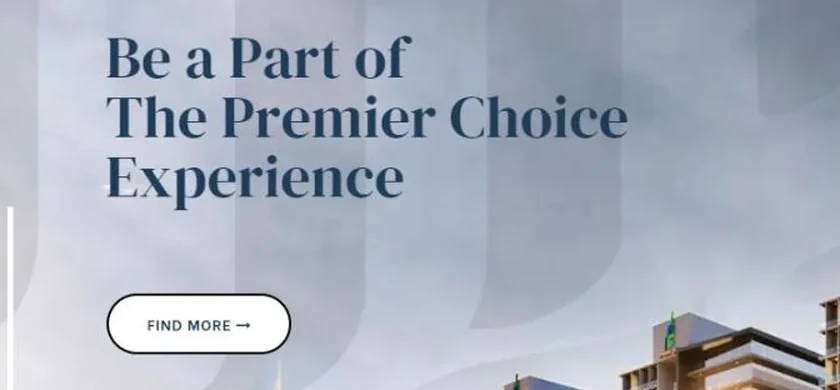


The website remained part of the active marketing operation.
The value of the engagement was not limited to the original website build. The site continued to support changing business and campaign needs for four more years.
What ongoing management actually meant
- Property and project page updates
- Text updates as project details changed
- Image updates and new project visuals
- Campaign landing support
- Contact information kept current
- Forms checked and maintained
- Technical fixes as they came up
- Mobile checks across the buying path
- Content publishing
- SEO implementation on the live site
- Tracking checks where tracking was implemented
- New pages added as the portfolio grew
- Link updates and broken link checks
- General maintenance across the platform
Most of this work is individually minor and collectively decisive. A property page with last year's details costs more than it looks like it should.
Paid traffic arrives on these pages. Their condition sets the ceiling on what any campaign can return.
The same person who built the site was still maintaining it, so no update started with someone relearning the build.
Property information needs a clear path from overview to enquiry.
The navigation in section 04 is the whole architecture. Five destinations, each with a job, and a route from any of them to a conversation.
Establishes who the developer is and sends the visitor toward the portfolio rather than trying to sell from the first screen.
The commercial spine. The one page a serious visitor always reaches, whichever channel brought them.
Where a specific development is explained. Also the page campaigns point at directly, so it cannot depend on the pages above it for context.
A visual route through the projects for a visitor who wants to look before they read.
The point every other level exists to reach.
About us sits alongside this rather than inside it. On a property site the developer's own credibility is a separate question from any individual project
Supporting property discovery through organic search.
SEO supported longer-term discovery, while active campaigns supported immediate property promotion. The two answer different timelines and the engagement ran both.
Which searches a developer with this portfolio can credibly compete for.
Crawlability, indexation and the template level decisions that apply to every project page at once.
Titles, headings and copy written so each page states what it is for.
Written to a pattern per page type rather than one page at a time.
One H1 per page and an order that follows how a buyer would ask.
The pages that carry the commercial intent, treated as the priority.
A hierarchy a crawler can follow from the homepage to a project.
Routes between projects, portfolio and contact so nothing sits orphaned.
Copy that answers the question rather than restating the project name.
Reading what changed, then deciding what to do about it.
Repeated across the engagement rather than delivered once as an audit.
The same approach is described on the SEO and organic growth services page
Property searches vary by project, location, type, and buyer intent.
Search-intent mapping helped determine which pages needed to target project, property, location, or company-level queries. Query shapes below are generic patterns, not the client's keyword set.
IntentQuery shapePage that should answer it
The project detail page. Somebody searching a development by name has already been introduced to it somewhere.
A page that is genuinely about the area, not a project page with a place name added to the title.
The projects overview, filtered toward the developments that match the type.
A page that addresses the decision rather than listing stock, then routes into the relevant projects.
The company pages. This is a credibility search, and the project pages are the wrong answer to it.
The project detail page again, which is why keeping it current matters more than any other single page.
Only the last two of these are about the company. The rest are about a property, which is why project pages carried the SEO priority
The website had to explain projects clearly enough to support the next conversation.
A campaign can attract interest, but the website still needs to give the prospect enough context to continue. Property is a long decision and the page is doing the work between the click and the call.
Project overview
What the development is, in the terms a buyer would use rather than the developer's.
Location
Where it sits and what that means, which on a property page is rarely optional.
Property type
Commercial, residential or mixed, stated before the visitor has to work it out.
Project features
What distinguishes this development from the next one in the portfolio.
Images
Renders and project visuals, which carry more of the page than any paragraph does.
Enquiry action
A clear next step on the page itself, not only on a contact page two clicks away.
Contact options
More than one route, because a property enquiry often wants a person rather than a form.
Trust information
Who the developer is and what they have delivered, which for a considered purchase is part of the product.
No payment plan, possession date, approval status, return figure or availability claim appears on this page. Those belong to the developer and none of them is evidenced here.
Supporting active property campaigns with paid social.
Paid campaigns supported active projects, while the website and SEO provided the wider digital foundation. Adding Meta Ads to an account that already had both is a different job from launching campaigns into nothing.
Structure before spend
Campaigns organised so that a result could be traced to a decision rather than to the account as a whole.
Who the project is for
Audience planning against the project type, with geographic targeting where the buyer market was defined.
The project, explained in one frame
Creative direction and ad copy built from the project's own visuals and language rather than generic property messaging.
Where the enquiry lands
Lead forms where they were used, with campaign monitoring, optimization and reporting running across the engagement.
Campaign management sits inside paid advertising services
Connect the campaign with a usable enquiry path.
The route below is short by design. Every extra step between a property advertisement and a person who can answer questions loses part of the audience that was interested.
The enquiry path
- 01Meta ad
- 02Property message
- 03Website or lead form
- 04Contact details
- 05Sales follow-up
What the advertisement says the project is, which sets what the destination has to deliver.
The specific thing the viewer is asked to do, stated once rather than offered three ways.
The website page or the lead form, depending on the campaign and the project.
What the enquiry arrives with, which is what makes it actionable at all.
The point the work becomes the business's. Consultation, property discussion and any decision belong there.
What came back about the enquiries, where that feedback was available.
I generated and improved enquiries. Property consultation, negotiation and sale decisions stayed with the business throughout
Property campaigns needed consistent visual and message support.
A property campaign is only as good as the imagery it can draw on, and a developer's renders are the strongest asset most of them have. The creative job was mostly deciding what to say alongside them.
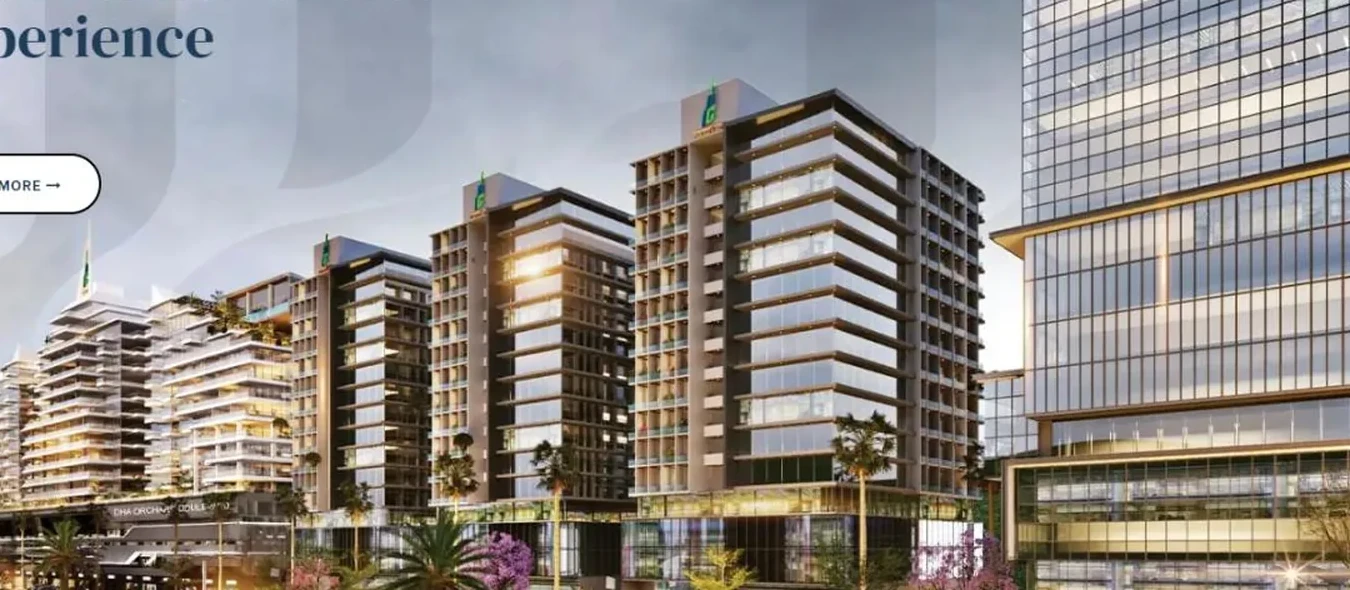
The campaign and website needed to tell the same property story.
When the advertisement and destination page communicate different information, the prospect receives an inconsistent experience. Running both sides of that from one place is the main practical advantage a retained engagement has.
Campaign creative
What the advertisement claims the project is, and what it asks the viewer to do about it.
- Project name
- As the developer publishes it
- Location
- Stated, not implied
- Main benefit
- One idea, not four
- Call to action
- The single next step
Website page
What the visitor finds when they act on it. The page has to recognise the advertisement that sent them.
- Project name
- Identical wording
- Property type
- Confirmed on arrival
- Visual identity
- The same imagery
- Supporting detail
- What the ad could not fit
Enquiry action
What happens next, and whether it matches what the visitor was told would happen.
- Contact action
- Present on the page itself
- Expectation
- Who makes contact
- Consistency
- Same offer, start to finish
- Handoff
- Into the sales process
Read the three columns across rather than down. Any row where the wording changes between stages is a gap the prospect notices before you do
Long-term support meant reviewing what needed attention next.
The work evolved with the business rather than ending when the website first went live. Three levels of attention, running at different frequencies, with no fixed review schedule claimed for any of them.
Condition
Whether the site is working. Quick to check and the thing that quietly costs the most when it is not.
- Form checks
- Broken link checks
- Mobile review
- Tracking checks
Currency
Whether what the site says is still true. On a property portfolio this changes more often than anything else.
- Website updates
- Property page updates
- Content refreshes
- SEO checks
Direction
Whether the effort is pointed at what the business now cares about. The level that changes when priorities do.
- Campaign monitoring
- Creative changes
- Campaign adjustments
- Business priority changes
My contribution from 2019 to September 2023.
Long engagements make the boundary easy to blur, so it is stated plainly. I ran the digital marketing. The property business ran the property business.
The digital operation
Everything between a person not knowing the developer exists and a salesperson having a reason to call them.
Scope
- WordPress website development
- Website management
- Website updates
- SEO
- Technical SEO
- On-page SEO
- Property page support
- Meta Ads
- Lead generation
- Campaign monitoring
- Campaign optimization
- Content support
- Creative and copy support
- Ongoing digital marketing
- Coordination with the business team
Outside my scope
The property, the transaction, and every regulated part of both.
Not mine
- Property sales
- Investor consultation
- Property development
- Legal documentation
- Financial advice
- Construction
- Payment processing
Why it matters more here
Four and a half years on one account creates the impression of owning more of it than you did. A digital engagement can improve who enquires and what the site tells them. It cannot value a property, advise an investor, or complete a sale.
Several years of context made the digital work more consistent.
A long-term engagement created continuity across the website, search work, paid campaigns, and property content. None of the points below is a speed or cost claim, because neither was measured.
Understanding the business
Knowing which projects matter this quarter without having to be briefed on the portfolio first.
Familiarity with project types
A commercial development and a residential one need different pages and different campaign language.
Consistent website structure
New projects slot into a structure that already exists rather than each one inventing its own.
Message continuity
Campaign and website language stay recognisably the same across years, not just across a campaign.
Historical SEO context
Knowing what was already tried, and what a page used to rank for before it changed.
Campaign learning
Each campaign starts from what the last one showed rather than from a blank account.
Reusable digital foundations
Templates, patterns and page types that a new project can use immediately.
Reduced handoff friction
No period at the start of each piece of work spent rediscovering how the site is put together.
A maintained digital foundation supporting changing real estate priorities.
Stated as operational facts. No lead, sale, revenue, traffic or ranking figure is claimed, because none has been approved for publication.
- 01A WordPress website supported the company's digital presence.
- 02Property content could be updated as requirements changed.
- 03SEO work supported organic discovery across the engagement.
- 04Meta Ads supported active property campaigns.
- 05Lead-generation journeys connected advertising with enquiries.
- 06Campaign and website messaging could be coordinated from one place.
- 07Ongoing management supported technical and content updates.
- 08The engagement continued from 2019 to September 2023.
What real estate companies can learn from a multi-year digital engagement.
Six things this engagement kept confirming, each tied to a decision that was actually made here.
The website is an active marketing asset
It needs to change as projects, content, and campaigns change.
SEO and paid campaigns serve different timelines
SEO supports ongoing discovery, while paid campaigns can support active promotions.
Property information must remain consistent
Project names, locations, visuals, and calls to action should match across channels.
Website maintenance affects campaign quality
Broken forms, outdated pages, or weak mobile layouts can reduce the value of paid traffic.
Long-term context improves continuity
A consistent digital partner understands previous decisions and current priorities.
Lead generation still needs sales follow-up
Advertising and forms create enquiries, while the business handles consultation and property decisions.
Inside the Premier Choice International engagement.
The website captures held for this engagement, shown in full and in detail, plus a plain statement of what is not held. Select any screenshot to open it full size.
Website development
Platform and management
Property imagery
Services used during the engagement.
Three service lines ran on this account at the same time, which is what made it a retained engagement rather than a sequence of projects.
The WordPress build and everything after it. Templates, project pages, enquiry forms, mobile experience, and the maintenance that kept the site usable for four more years.
SEO and organic growth servicesKeyword and intent research, technical SEO, on-page work, property page optimization, internal linking, and Search Console monitoring across the engagement.
Paid advertising servicesMeta Ads for active property campaigns. Campaign structure, audience planning, creative direction, lead capture, monitoring and optimization.
Related case studies
Buraq Business Center
A single development, run as a Meta Ads lead generation campaign built around instant forms and lead quality.
Automotive, SingaporeAutomotive dealership SEO
Technical SEO, search-intent mapping and internal linking on an inventory site, steered from Search Console.
All projectsCase studies index
Every published case study, across property, publishing, automotive, ecommerce, hospitality, campaigns, and own products.
More on how I work is on the about page, and current availability is on contact
Connect your real estate website, SEO, campaigns, and enquiry process.
I can review your property website, project pages, SEO, Meta Ads, campaign creative, lead forms, mobile experience, tracking, and ongoing marketing requirements before defining the highest-priority improvements.